
Milestone Case Studies Portfolio
The following milestone projects illustrate how SPECTRA translates technical research capabilities into high-utility, structured evidence packages optimized for commercial, organizational, and academic review.
Case Study 1
Pre-clinical Acceleration & Botanical Drug Packaging
Target sectors:





Institutional Funding & Collaborative Frameworks:
-
Competitive Public Research Grants — Funded via competitive national-tier General Research Funds (GRFs).
-
Institutional R&D Backing — Supported through Central Research Grants under advanced health technology frameworks.
-
Clinical Co-Investigators — Prof. Chi-Fai Ng & Prof. Jeremy Teoh | Urology, Chinese University of Hong Kong (Long-term collaborators)
-
Commercial (Pharma, Biotech & Life Science) | Core Domains: Oncology, Botanical Pharmacology)
-
Academic (Researcher, PhD students) | Core Domains: Oncology, Urology, Immunology, Biochemistry)
-
The Problem: Botanical drug developers face steep regulatory barriers transitioning natural compounds into formal pipelines. Without rigorous mechanism mapping and comparative toxicity profiles against standard-of-care options, compounds fail to secure clinical backing.
-
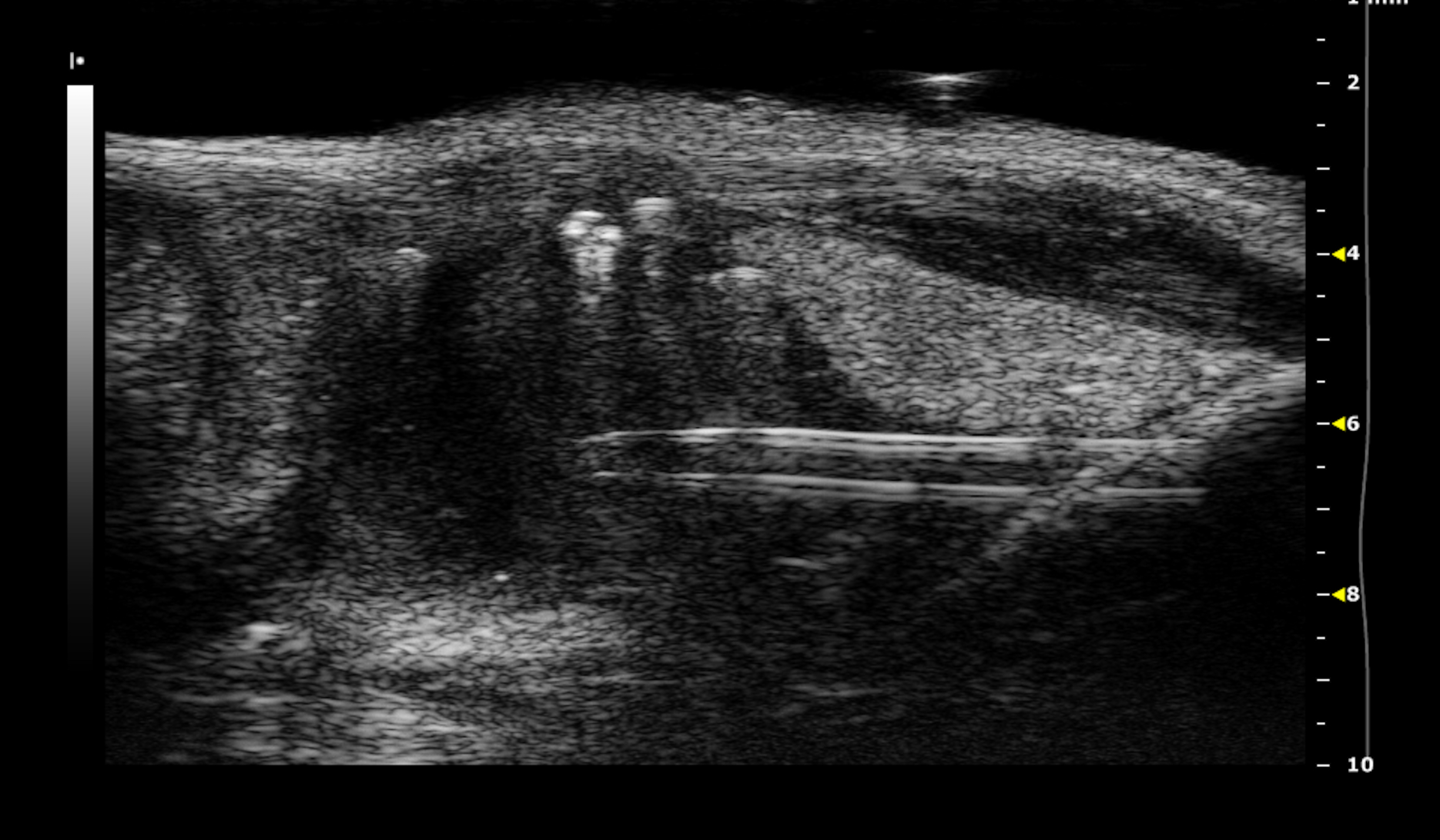
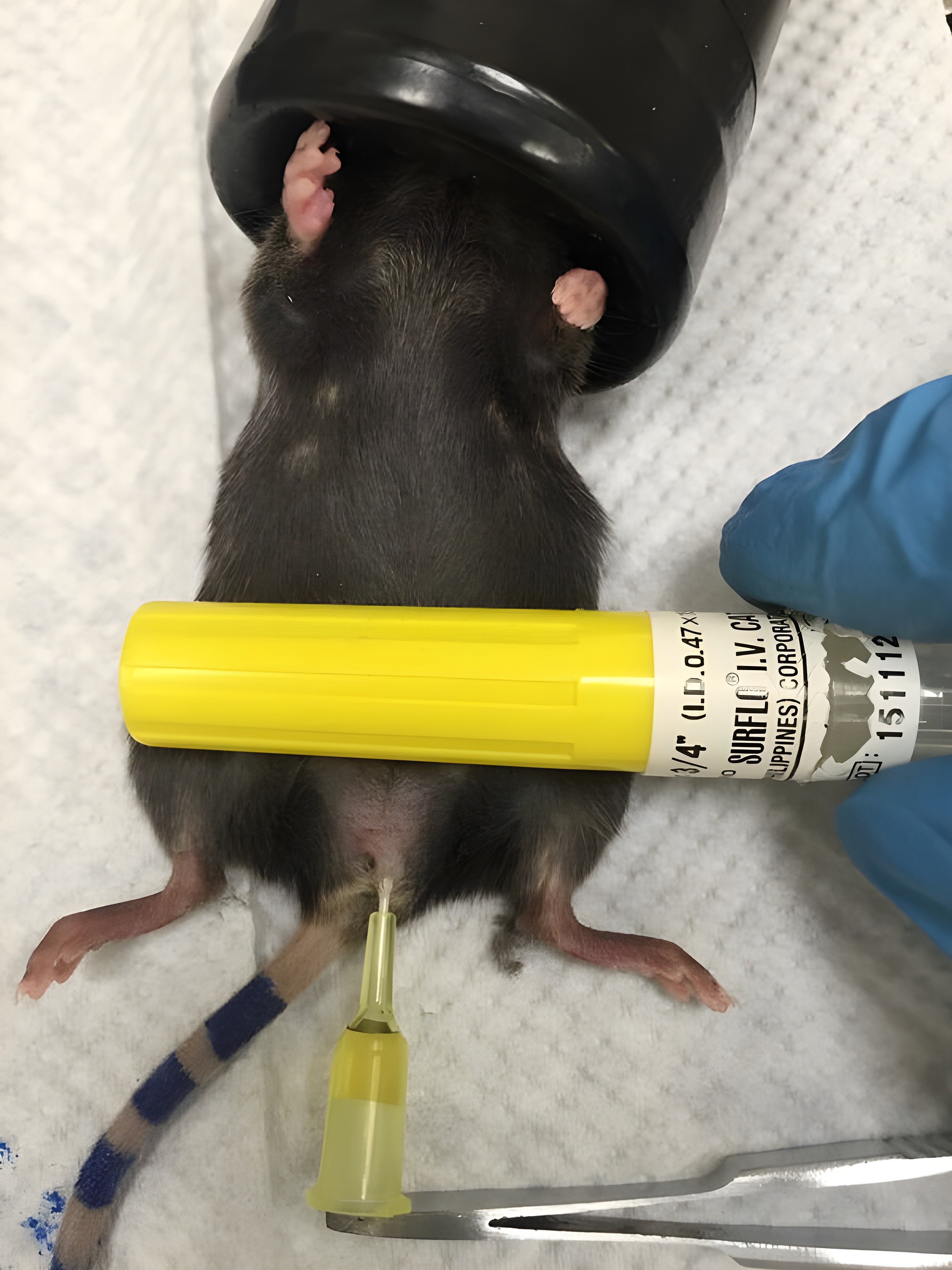
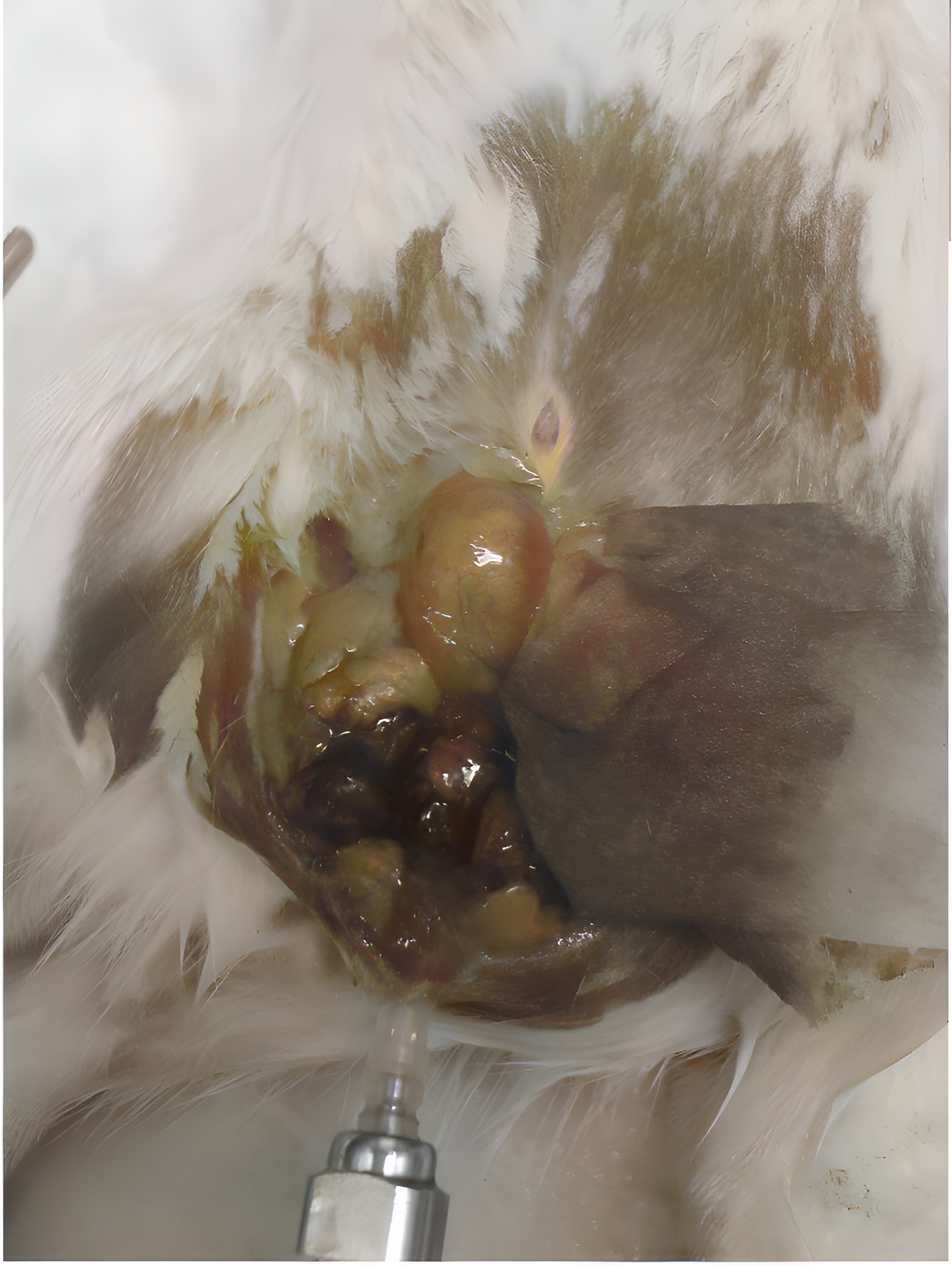
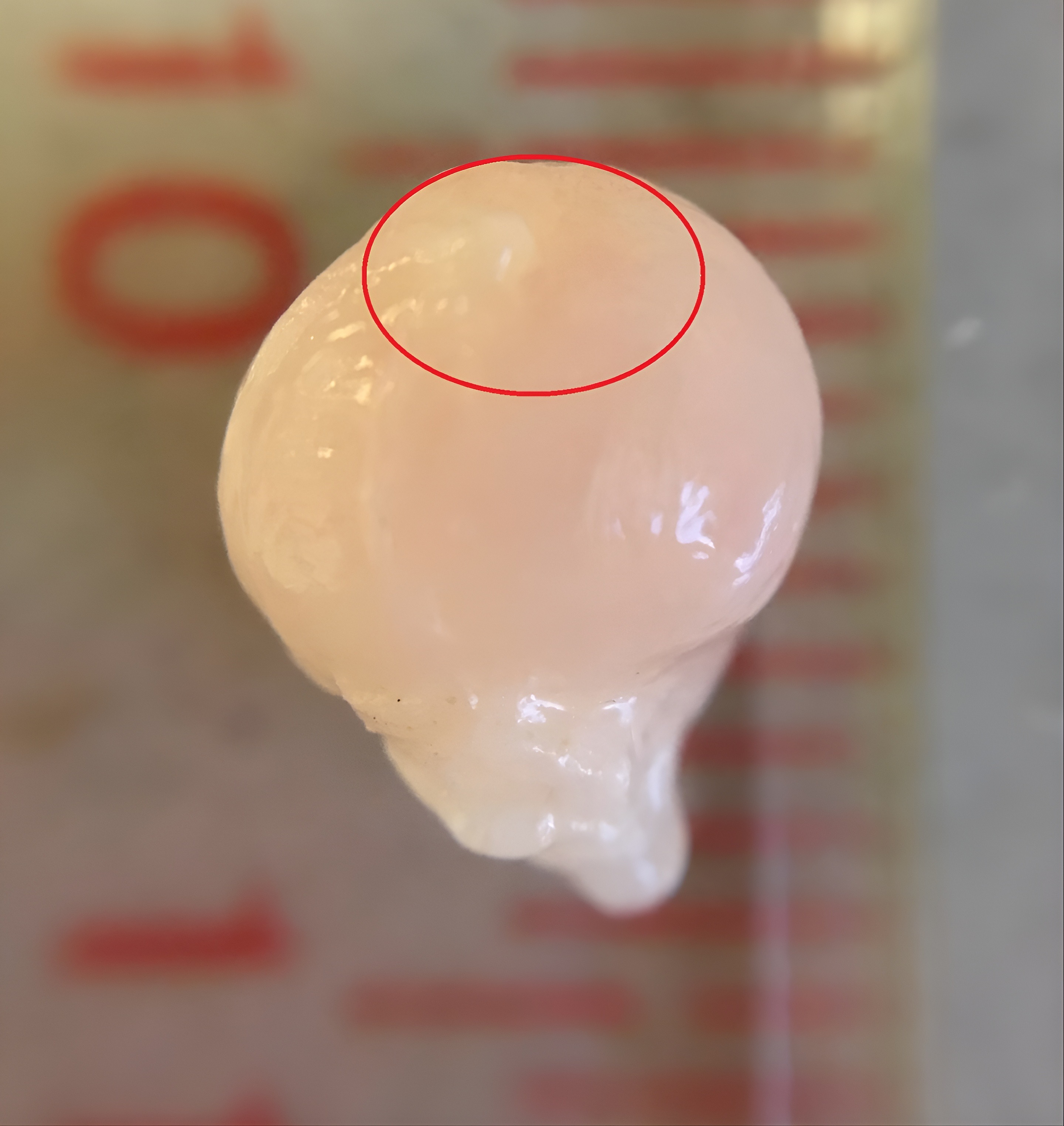
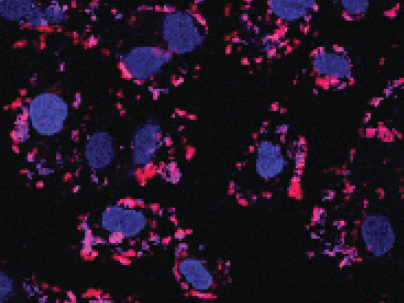
The Intervention: SPECTRA engineered a multi-stage testing matrix evaluating Ganoderma lucidum. This involved establishing syngeneic premalignant cell lines to map cytokine gene induction, building live-imaging orthotropic murine bladder cancer models, and quantifying comparative safety benchmarks directly against standard clinical immunotherapy (BCG).
-
Core Methodological Niche: In-vivo disease modelling & murine line.
-
The Outcome: Successfully mapped the tumour-inhibitory pathways and cytokine regulations required for regulatory drug asset portfolios. The protocol design secured consecutive competitive government funding and established deep publication authority in high-impact ethnopharmacology journals.
Case Study 2
-
The Problem: Health authorities struggle to deliver targeted interventions to hidden, severely social withdrawn populations (e.g. Hikikomori). Because these individuals are deeply isolated, organizations lack the baseline clinical tracking profiles necessary to justify resource allocation.
-
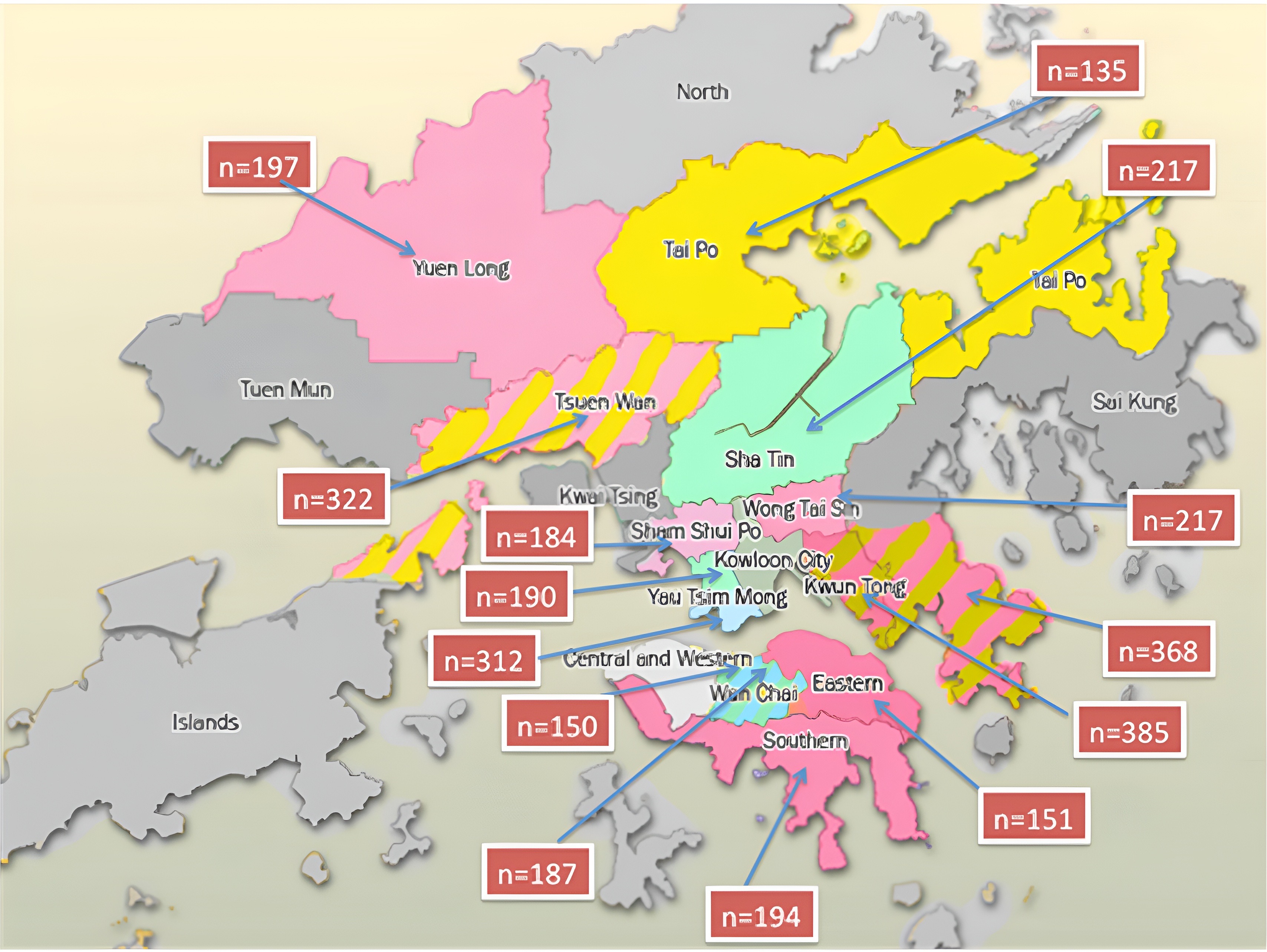
The Intervention: Designed and directed a pioneering multi-year prospective cohort study. SPECTRA formulated and validated custom, culturally optimized psychometric tools, deployed localized diagnostic methodologies to safely access hidden demographics, and conducted a comprehensive 1-year follow-up biomonitoring profile (in coalition with community social services).
-
Core Methodological Niche: Prospective cohort profiling & psychometrics.
-
The Outcome: Delivered the first holistic clinical and lifestyle metrics of previously unreached populations. The framework successfully won major competitive funding via the Health Bureau and is actively used by non-profits to deploy structural rehabilitation programs.
Epidemiological Surveillance & Public Health Psychometrics
Target sectors:
-
Organizational (NGOs & Social & Health Authorities) | Core Domains: Public Health, Mental Well-being)
-
Academic (Researcher, PhD students) | Core Domains: Public Health, Epidemiology, Psychiatry, Psychometrics)


Institutional Funding & Collaborative Frameworks:
-
Ministerial Health Research Grants — Funded through the highly competitive Health & Medical Research Fund (HMRF).
-
Social Science Co-Investigator — Prof. Victor Wong | Social Science, Baptist University of Hong Kong (Long-term transdisciplinary collaborator).
-
Statistical Co-Investigator — Prof. Wilson Tam | National University of Singapore (Long-term transdisciplinary collaborator).
-
Community Operations Hub — Hong Kong Christian Service (Strategic clinical subject recruitment and population tracking hub).
Case Study 3
Global Digital Pedagogy & Interdisciplinary Curricular Scaling
Target sectors:


Institutional Funding & Collaborative Frameworks:
-
Digital Infrastructure Grants — Supported via the Advisory Committee on Learning Funds and Large Equipment Allocation Frameworks.
-
Pedagogical Excellence Awards — Recognized via institutional Teaching Award Grants for multi-disciplinary curriculum design.
-
Clinical & Rehabilitation Co-Coalitions — Special thanks to the Hong Kong Stroke Society (Dr. Richard Li & Dr. Stephan Cheng) and the Hong Kong Society of Rehabilitation (Ms. Yuk-Mun Ng).
-
Organizational (Health Authorities & NGOs) | Core Domains: Health Education, EdTech, Storyboarding)
-
Academic (Universities & Educational Boards) | Core Domains: Instructional Design, EdTech)
-
The Problem: Traditional health science programs rely on low-engagement, lecture-heavy formats that suffer from rigid knowledge retention limits and fall to scale. Institutions attempting to pivot online struggle to maintain high academic rigour or cross-border standards.
-
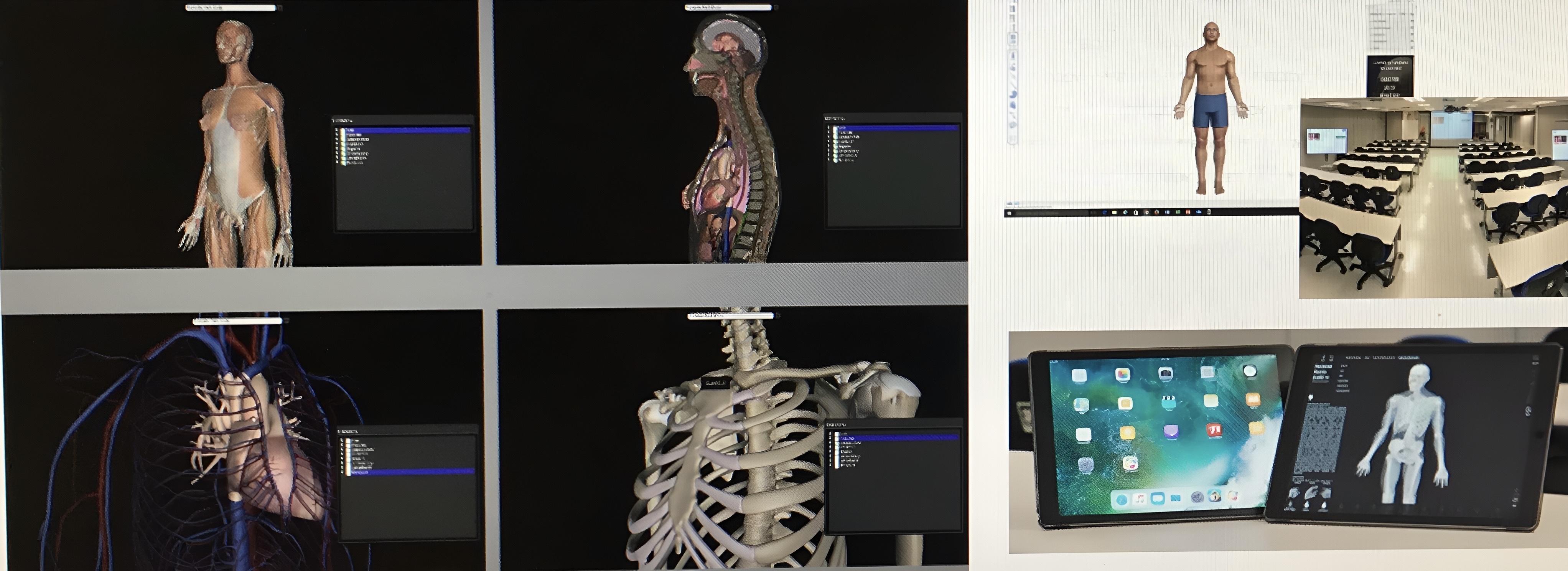
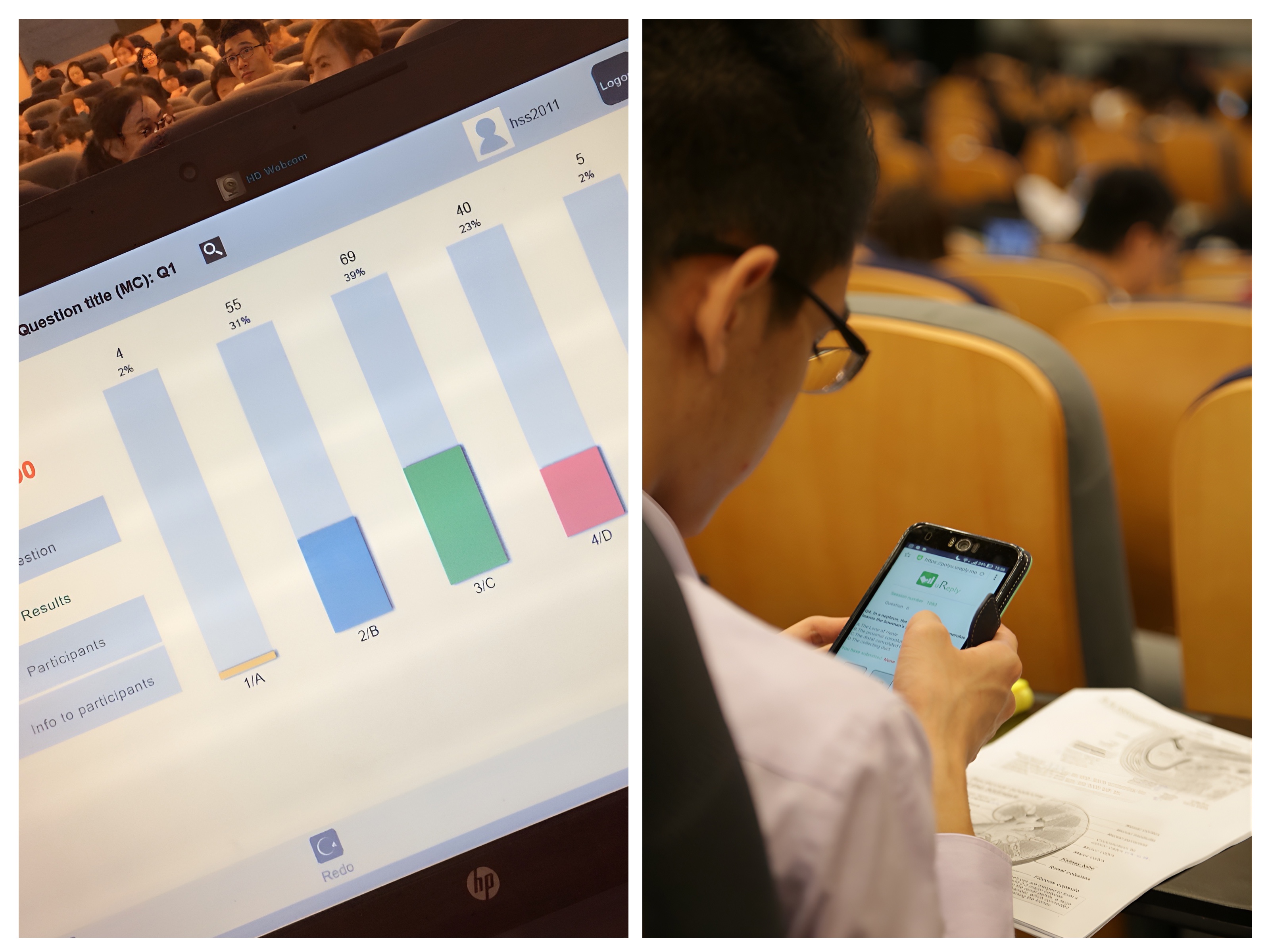
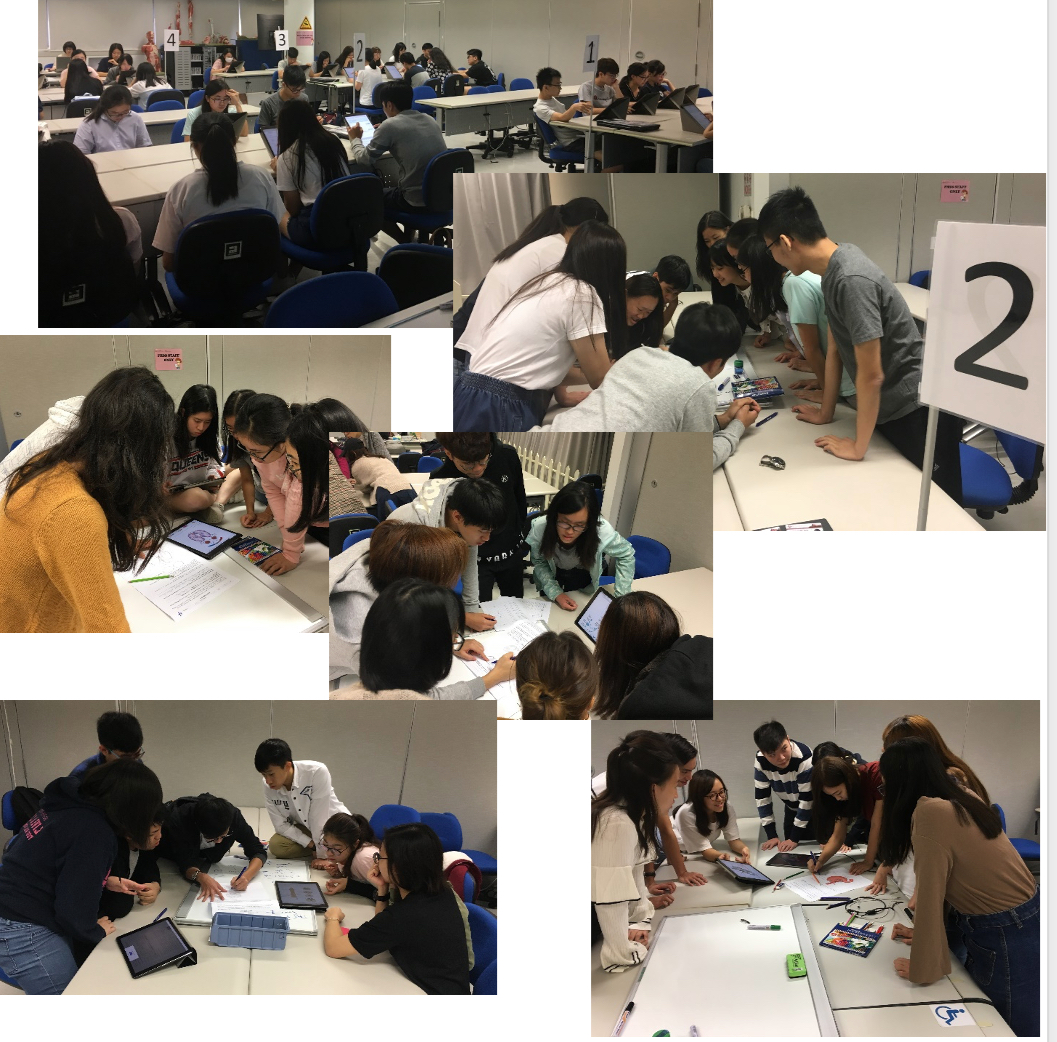
The Intervention: Architected a massive structural transformation of health science education. Engineered an integrated flipped-classroom framework driven by student response metrics, designed and managed massive open online courses (MOOCs) on edX (Introduction to Stroke Caring Professional Certificate Program | Human Anatomy and Science of Stroke Recovery), and deployed stereoscopic visualizers.
-
Core Methodological Niche: Digital EdTech & massive global MOOC systems.
-
The Outcome: Scaled local subjects into an international asset accumulating over 160,000 global learners. Secured major competitive pedagogical infrastructure grants and won multiple institutional Outstanding Achievement in Teaching Awards as team leader.
-
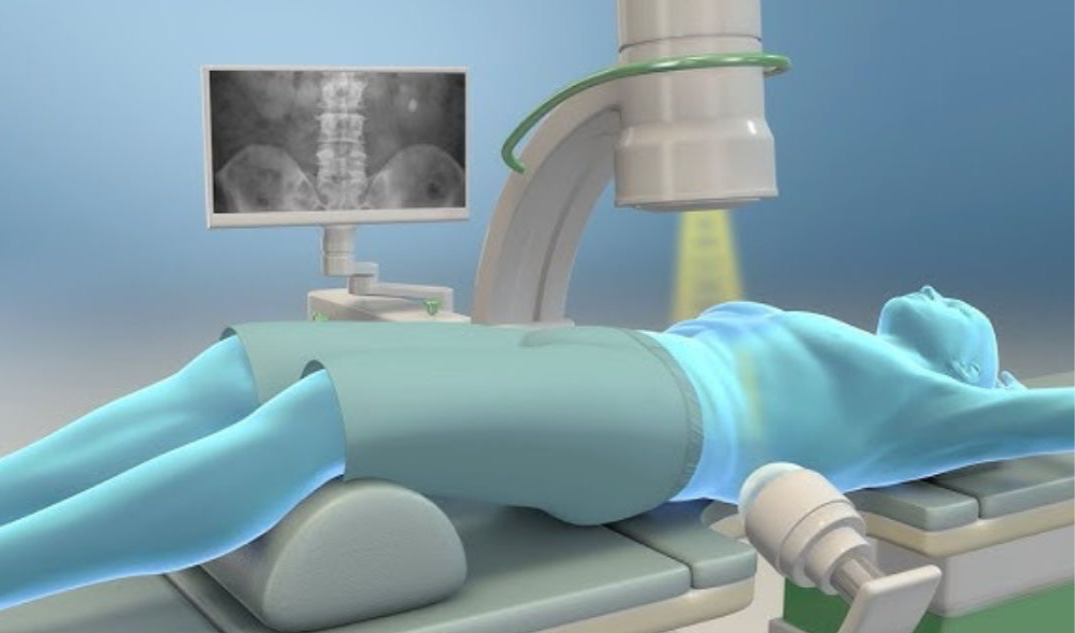
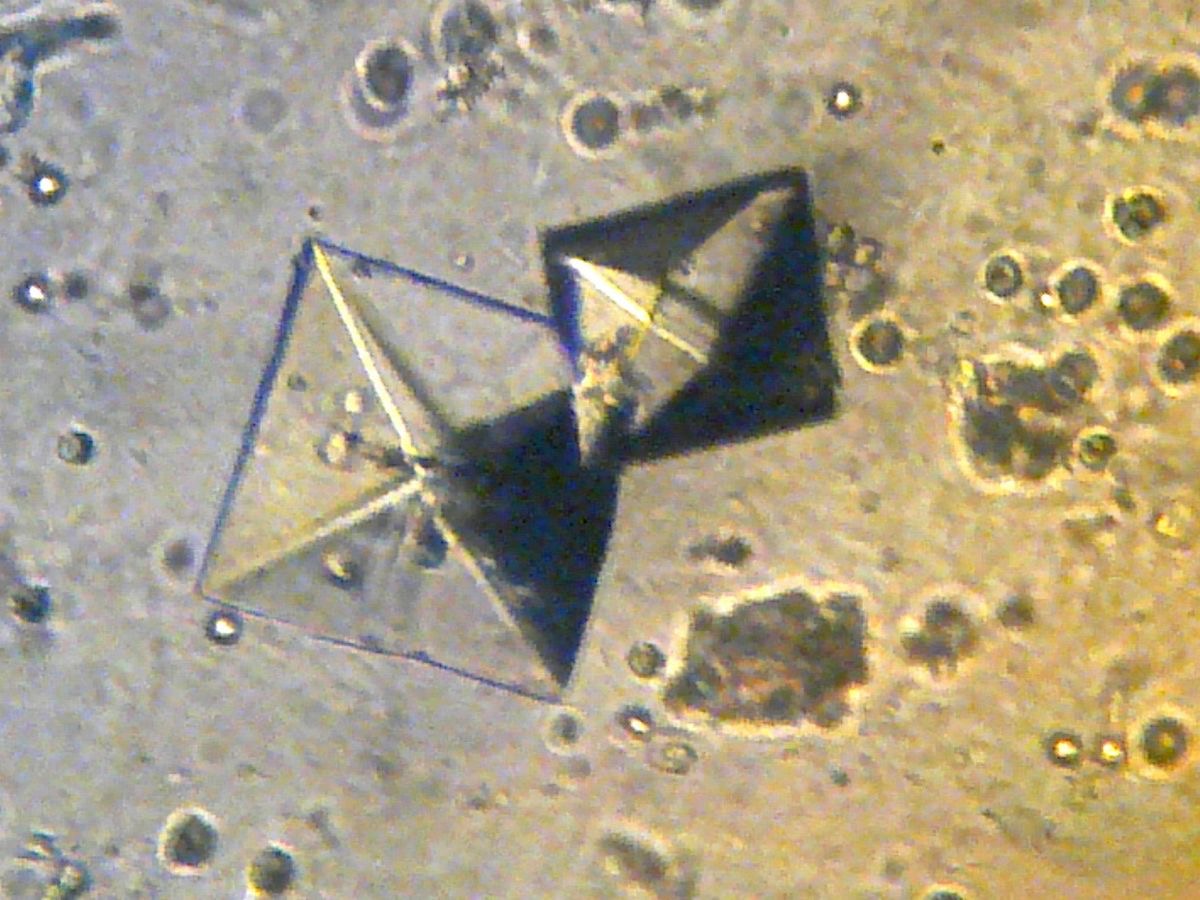
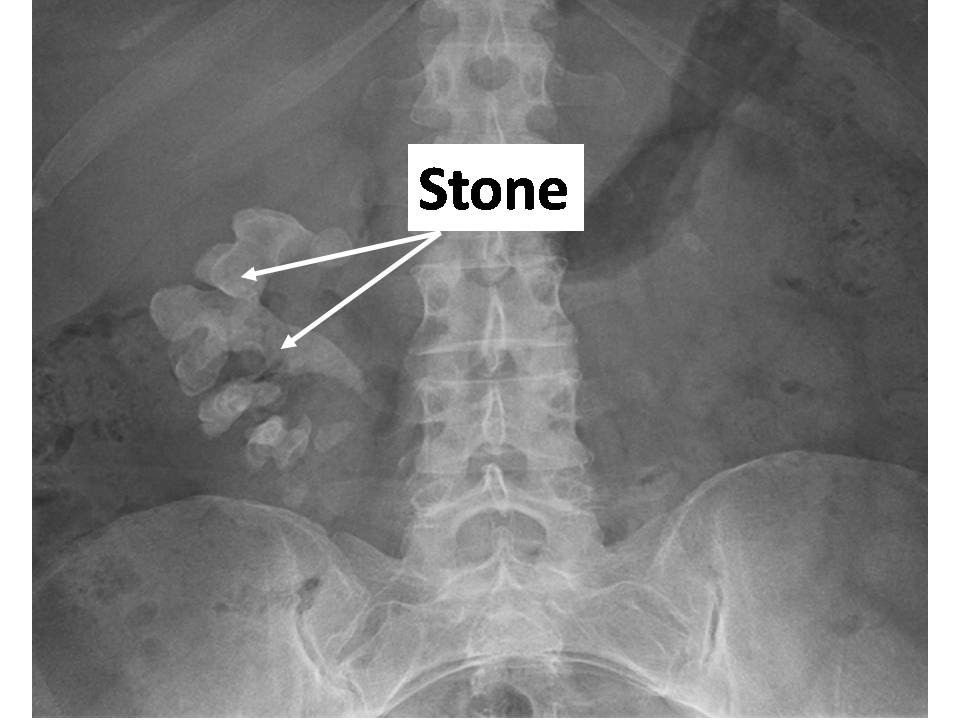
The Problem: Non-invasive extracorporeal shockwave treatments frequently introduce acute, long-term tissue trauma and fibrotic complications. Clinical urology teams require precise protection protocols and sensitive tracking metrics to preserve renal function.
-
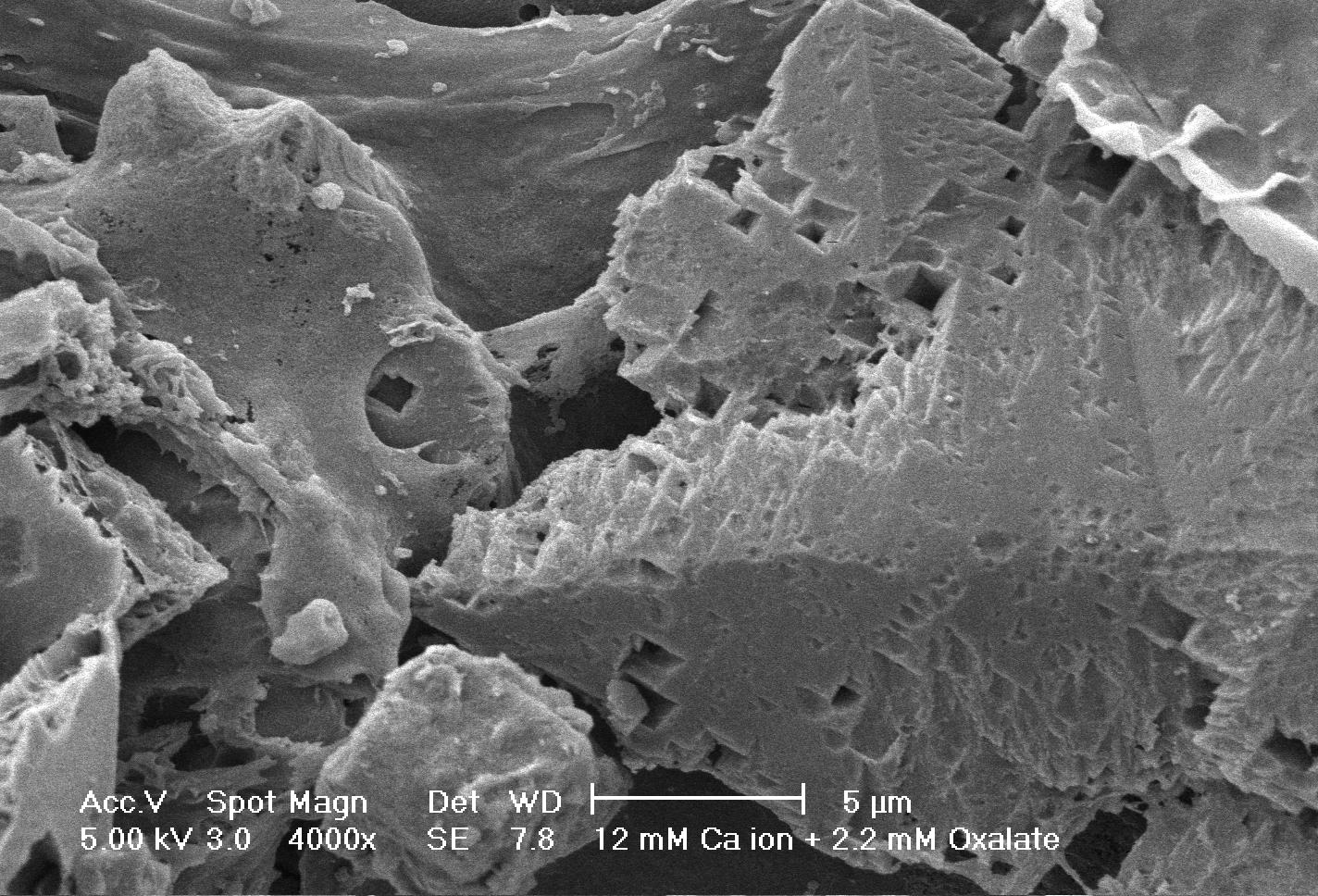
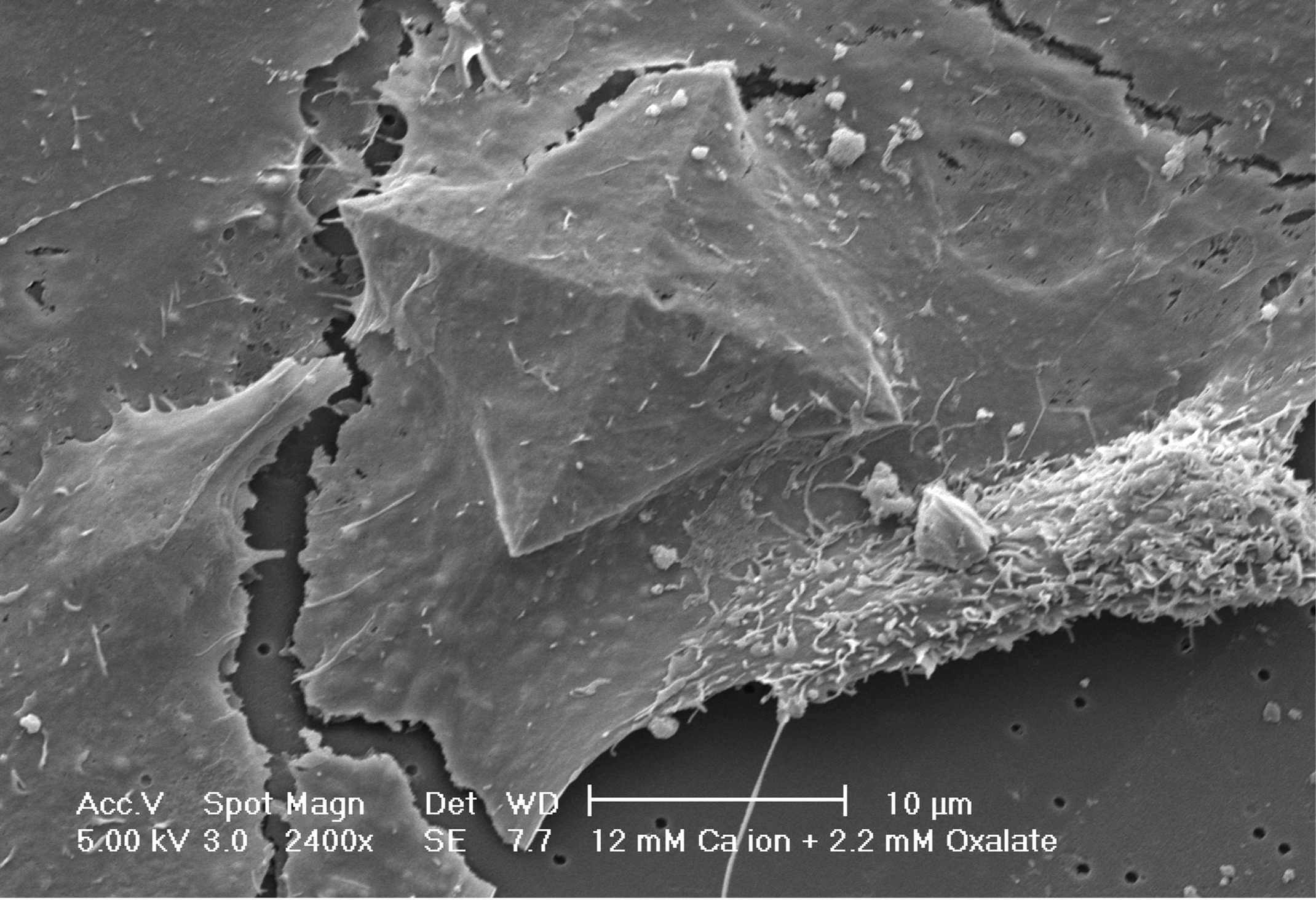
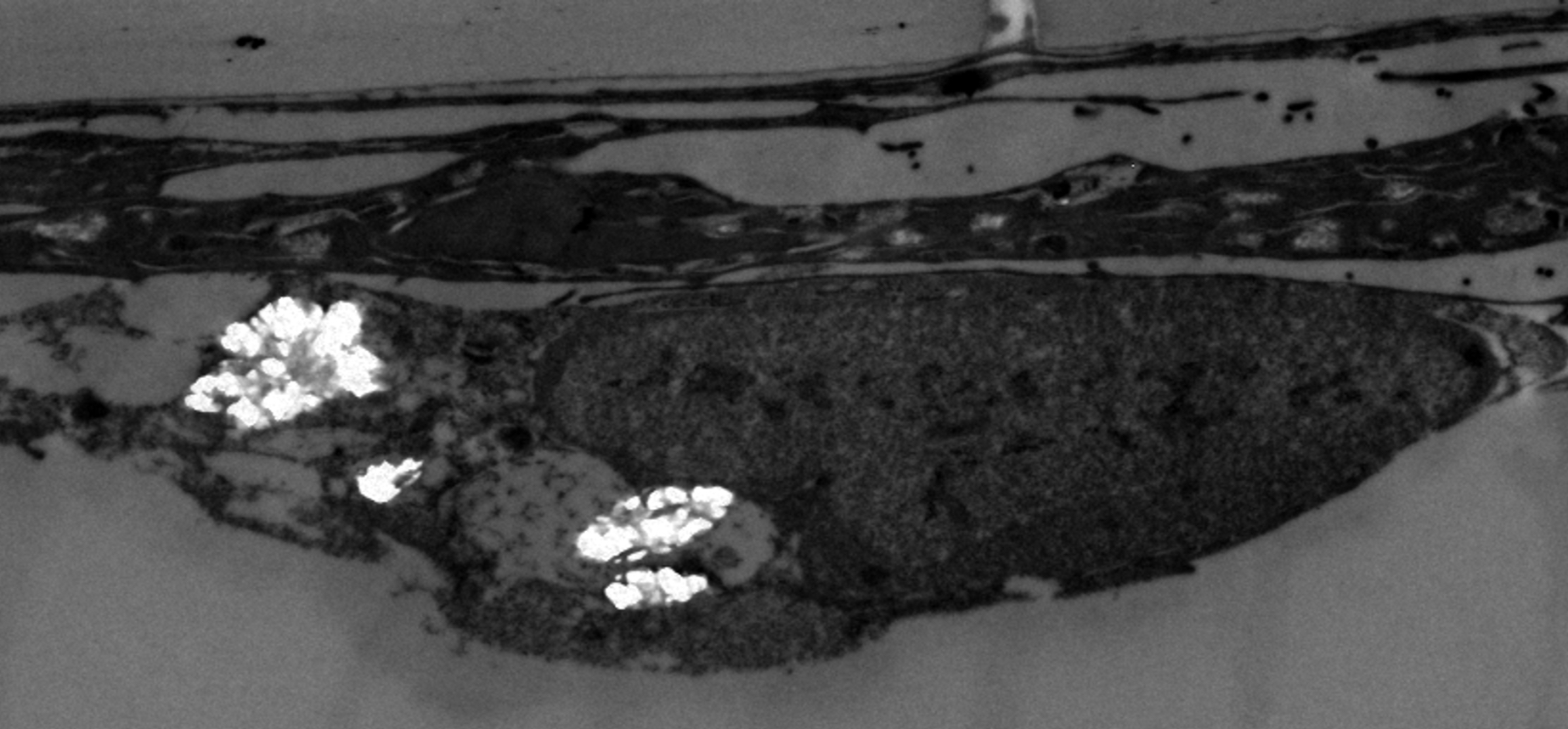
The Intervention: Architected end-to-end translational research program spanning from cellular pathology modelling of tissue inflammation to prospective randomized controlled clinical trials. The study evaluated voltage-escalation protocols and sensitive urinary biomarker tracking to minimize localized tissue damage.
-
Core Methodological Niche: Randomized human intervention & urinary biomarkers.
-
The Outcome: Successfully optimized clinical operational parameters to protect patient tissue integrity. This milestone produced multi-year prospective tracking datasets published inside leading urological surgery and endourology journals.
Target sectors:





Institutional Funding & Collaborative Frameworks:
-
Clinical Trial Leadership — Prof. Chi-Fai Ng | Urology, Chinese University of Hong Kong (Principal Investigator & Long-term clinical trial research partners).
-
Competitive Clinical Innovation Grants — Funded via national-tier public healthcare research allocation structures.
-
Interdisciplinary collaborative efforts — SPECTRA directed and supported the advanced tissue-culture modelling architectures and urinary biomarker assay tracking pathways.
-
Commercial (Medical Devices & Clinical Research Operations) | Core Domains: Urology, Clinical Trials, Human Interventions)
-
Organizational (Institutional Healthcare Providers) | Core Domains: Public Health, Quality Governance, Protocol Design, Clinical & Patient Education)
Translational Urology & Clinical Lithotripsy Optimization
Case Study 4
Case Study 5
Evidence-Based TCM Translation & Proteomic Biomarker Validation
Target sectors:




















Institutional Funding & Collaborative Frameworks:
-
Ministerial & Institutional Technology Grants — Supported through highly competitive health, medical research, and centralized mass spectrometry allocation frameworks.
-
International Medical Imaging & Biophysics Co-Investigators — Dr. Kenneth K Kwong (Biomedical Physics) & Dr. Phoebe ST Chan (Biomedical Imaging) | Harvard Medical School (Long-term strategic research partners).
-
Proteomic Co-Investigators — Prof. Thomas C Lam | Optometry, Hong Kong Polytechnic University (Strategic collaborators).
-
Commercial (Natural Health Products & Bio-Ventures) | Core Domains: Biomarker Assays, Proteomics)
-
Organizational & Academic (Public Health Authorities & Medical Faculties) | Core Domains: Clinical Evidence, Integrative Health, Manual Therapy)
-
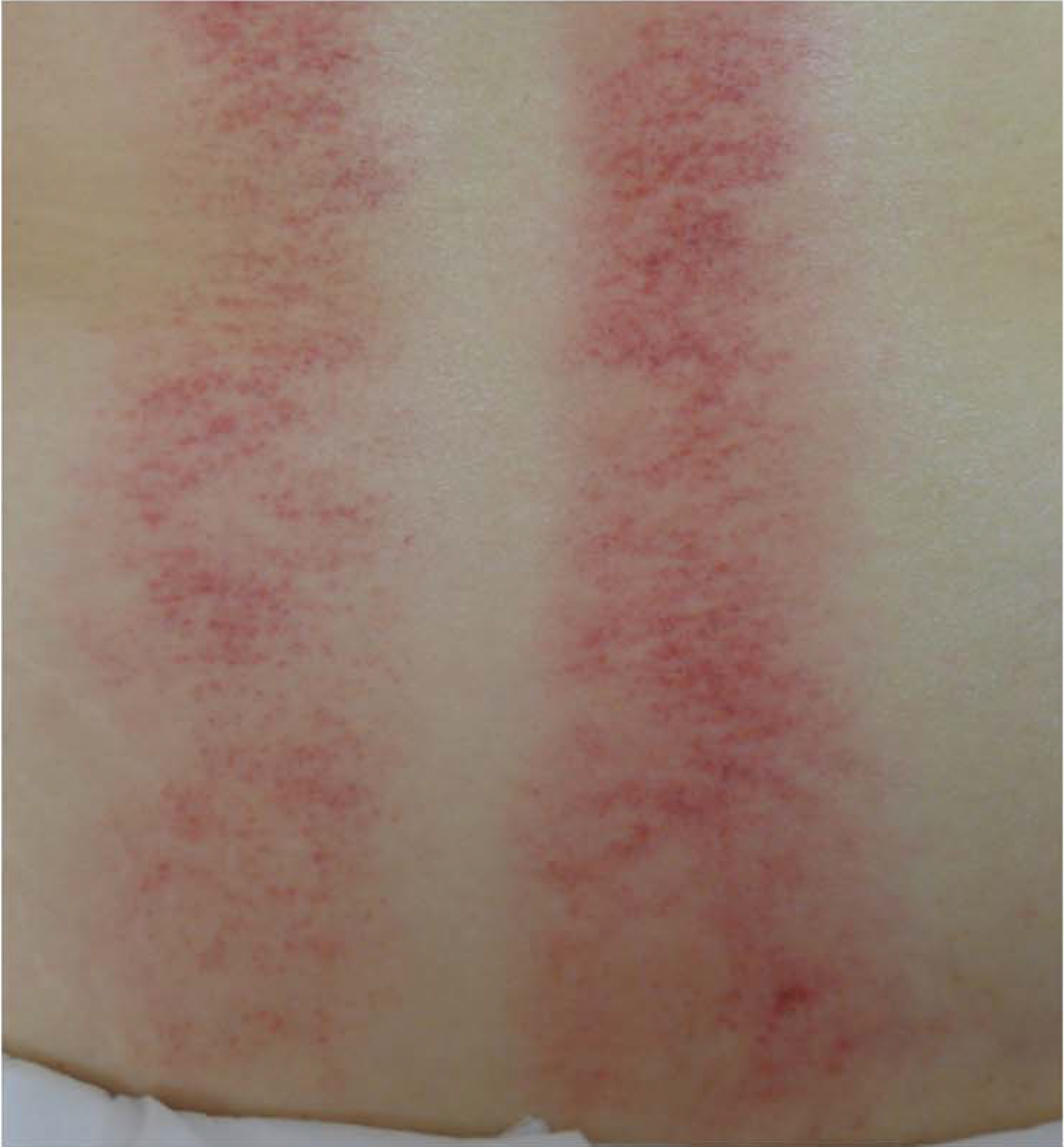
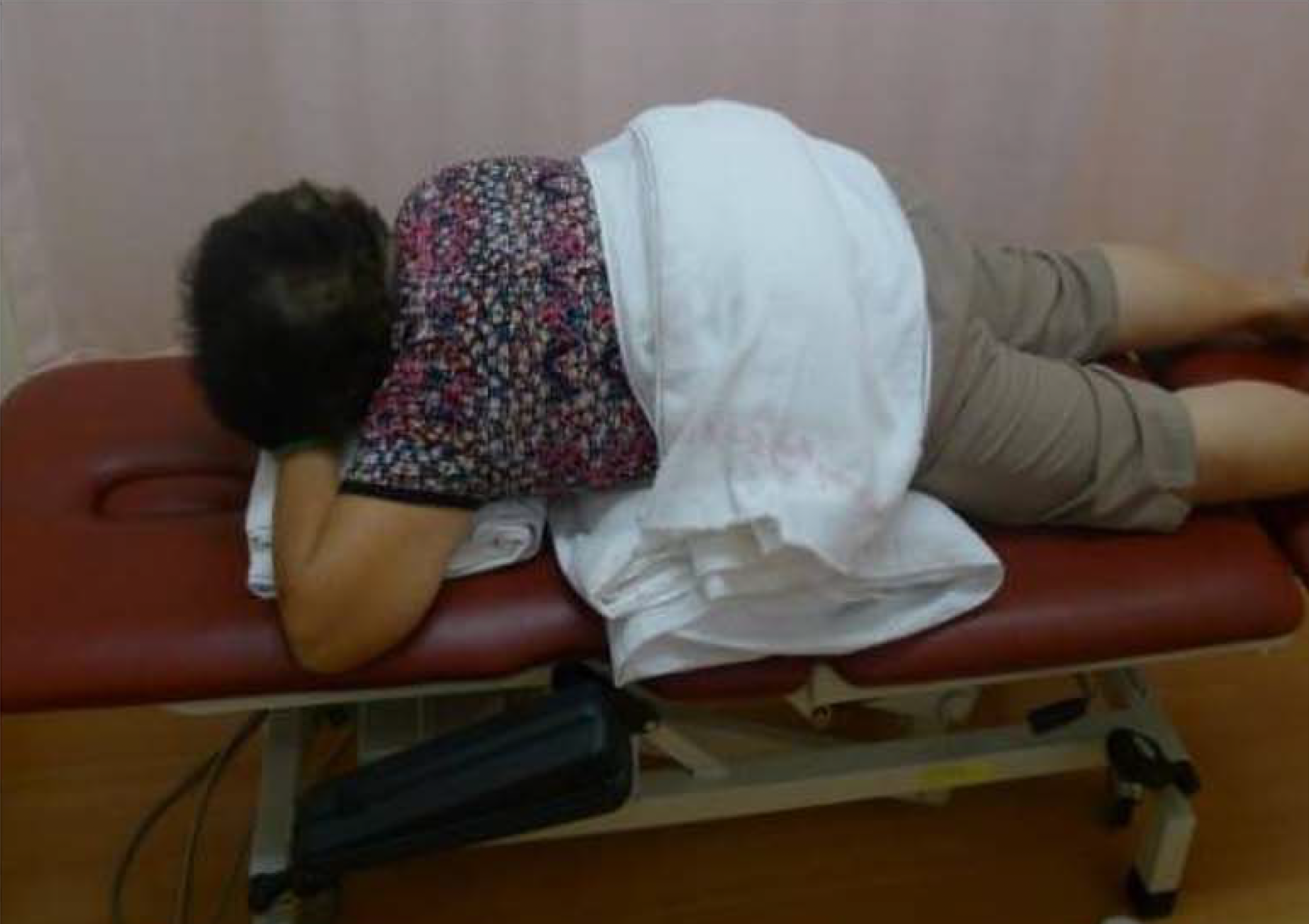
The Problem: Traditional medicine modalities like Gua sha (press-stroking) are frequently dismissed by Western healthcare procurement boards due to a lack of mechanistic mapping at the tissue level and missing randomized clinical evidence.
-
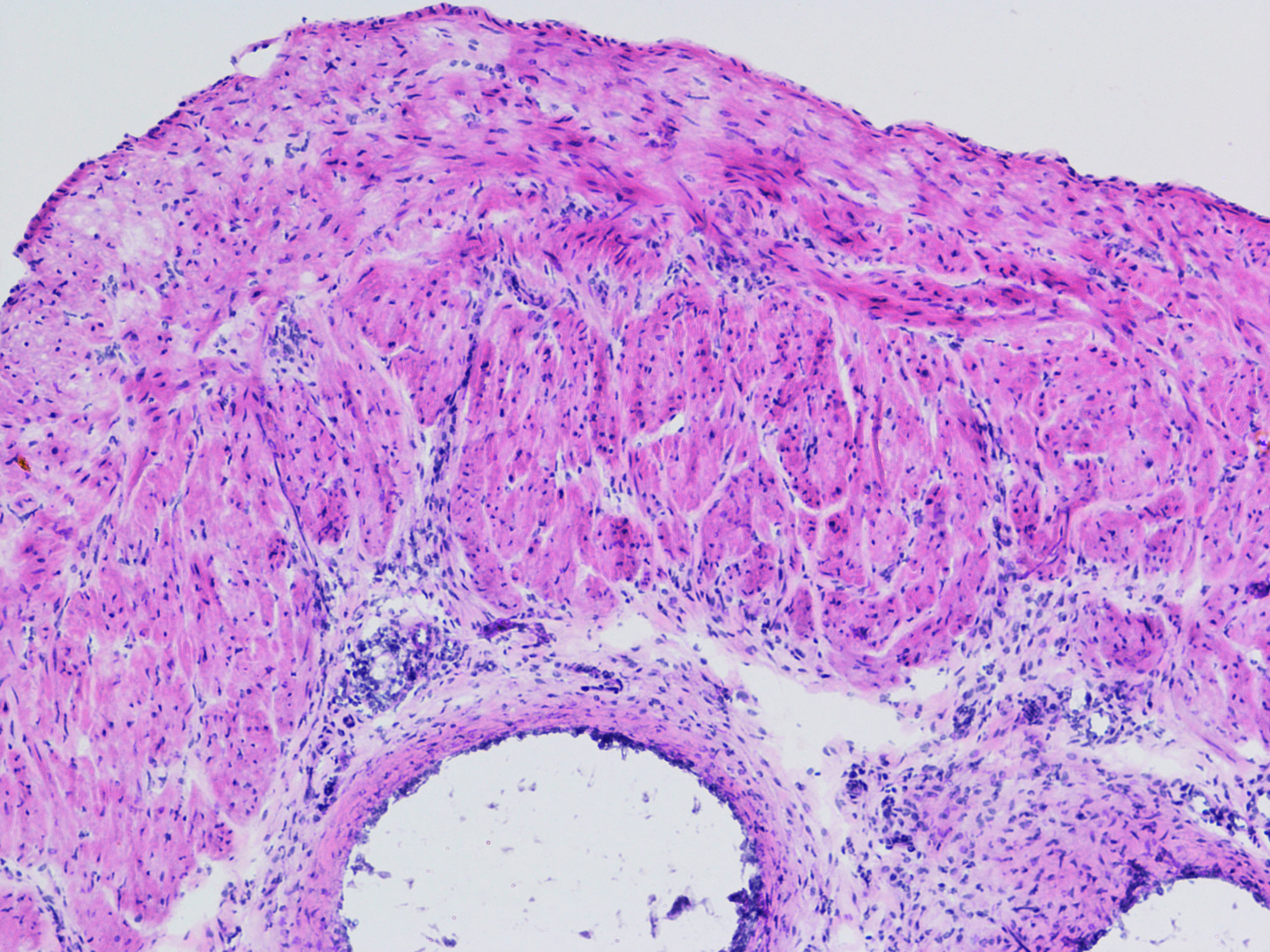
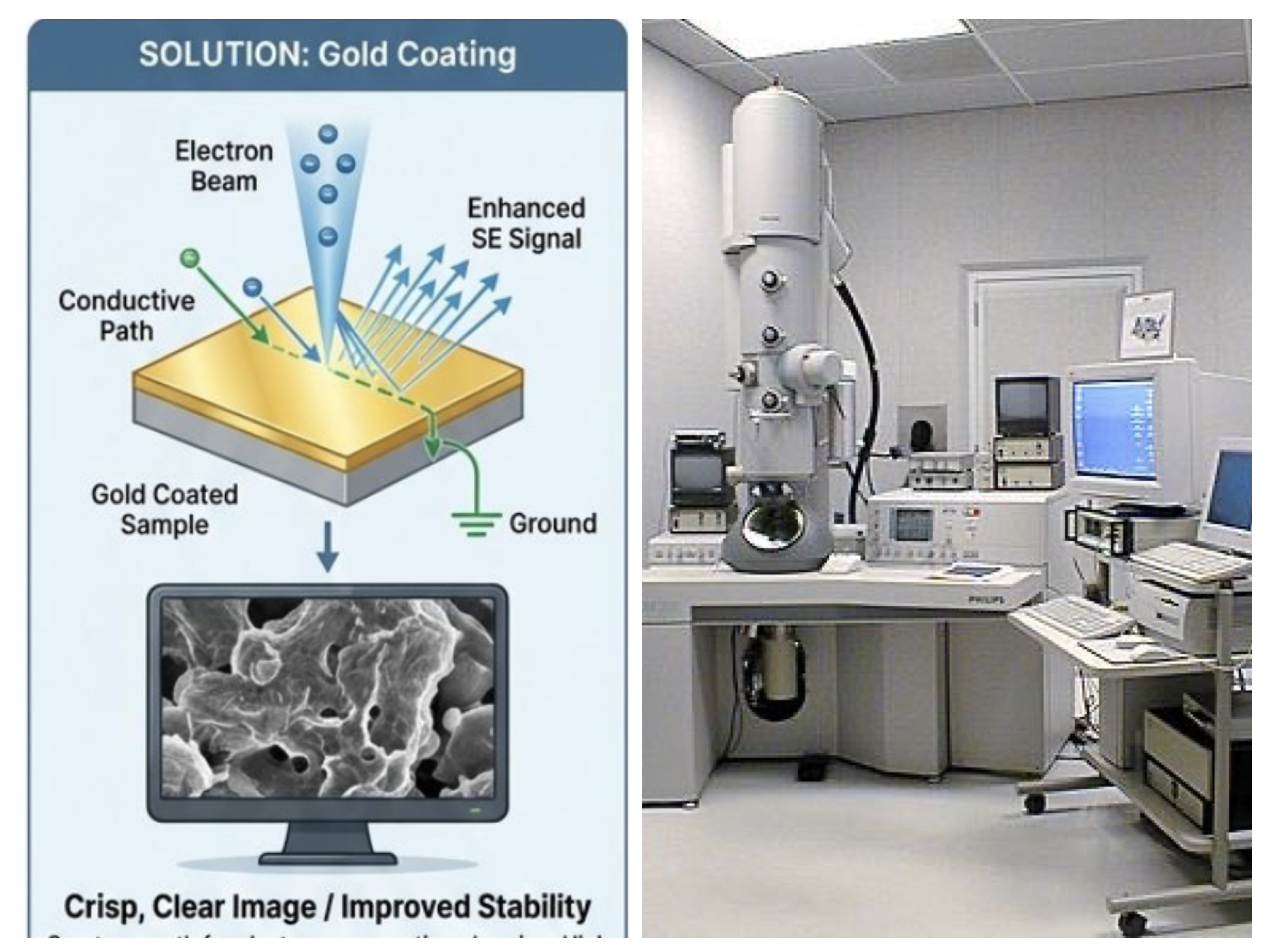
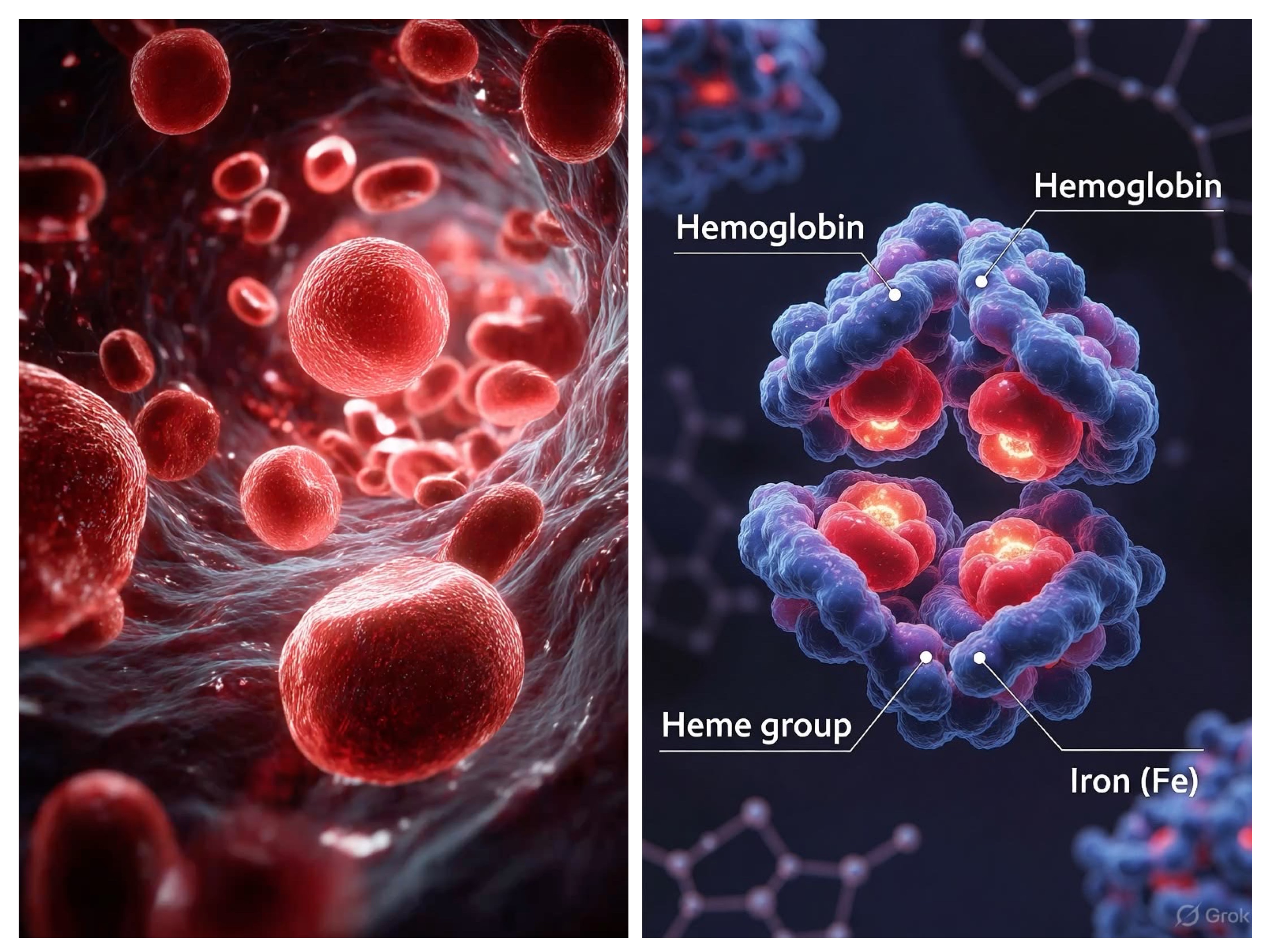
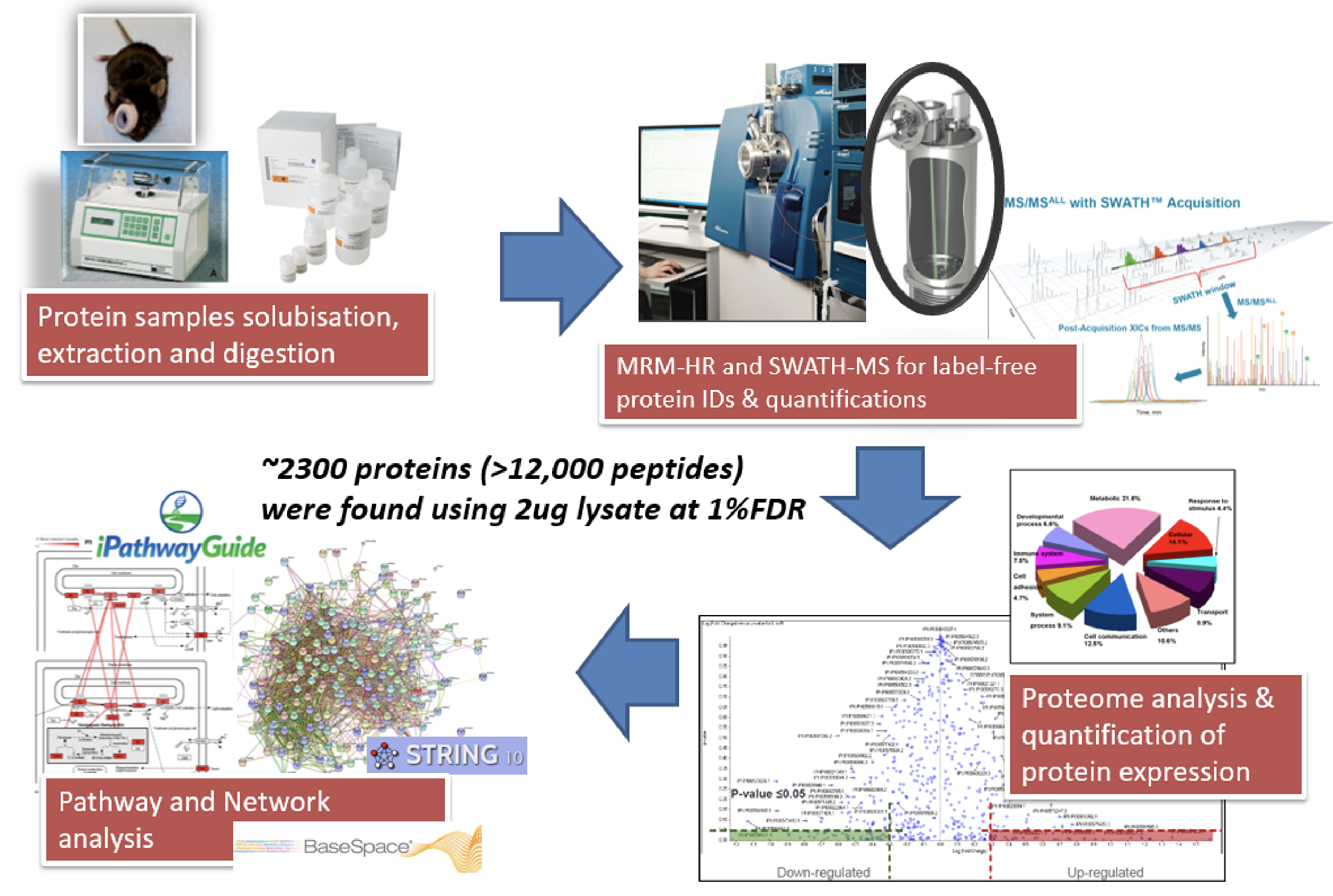
The Intervention: Engineered a comprehensive translational research program combining randomized active-controlled crossover human clinical trials with advanced shotgun mass spectrometry proteomics analysis of the vertebral column in aging models. SPECTRA mapped systemic inflammatory cytokine kinetics (TNF-alpha, HO-1) and tissue-level biomechanisms to validate therapeutic pathways for chronic low back pain and viral hepatitis.
-
Core Methodological Niche: Shotgun mass spectrometry & structural proteomics.
-
The Outcome: Successfully unlocked deep biomarker tracking capabilities, establishing empirical authority inside elite international clinical chemistry, proteomic, and complementary medicine journals to support large-scale clinical trials.