-
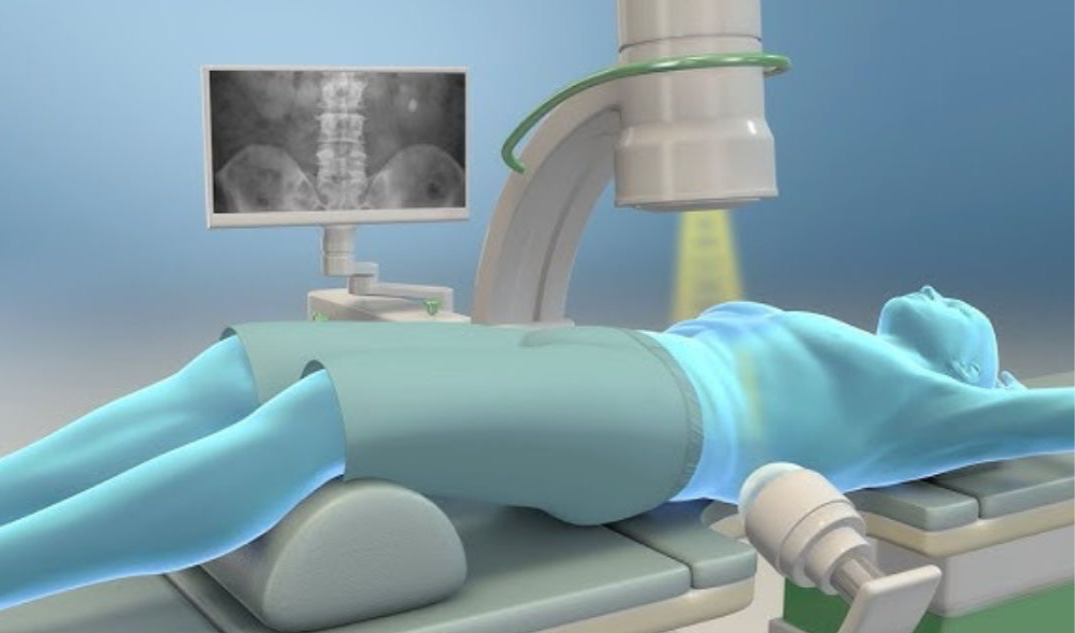
The Problem: Non-invasive extracorporeal shockwave treatments frequently introduce acute, long-term tissue trauma and fibrotic complications. Clinical urology teams require precise protection protocols and sensitive tracking metrics to preserve renal function.
-
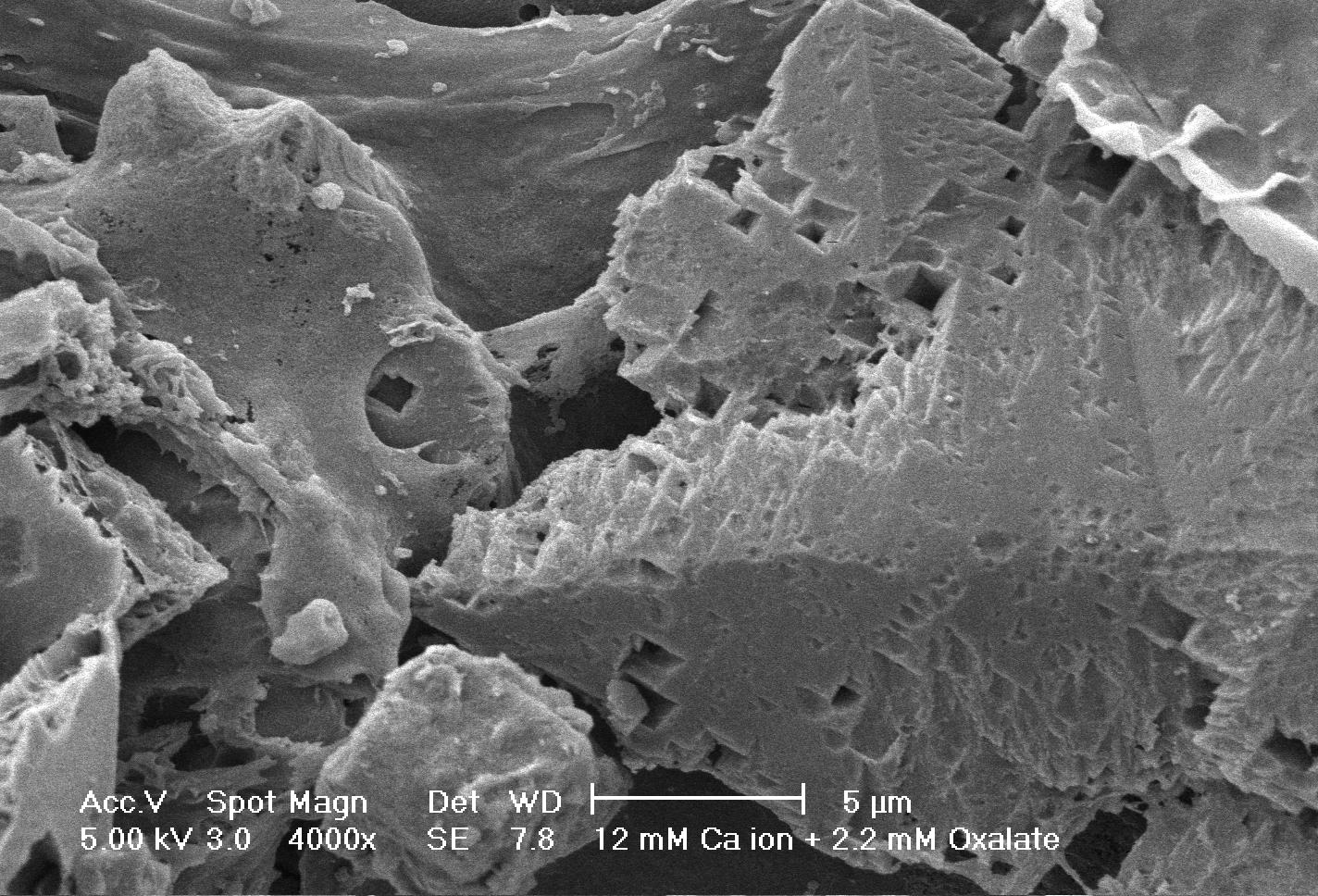
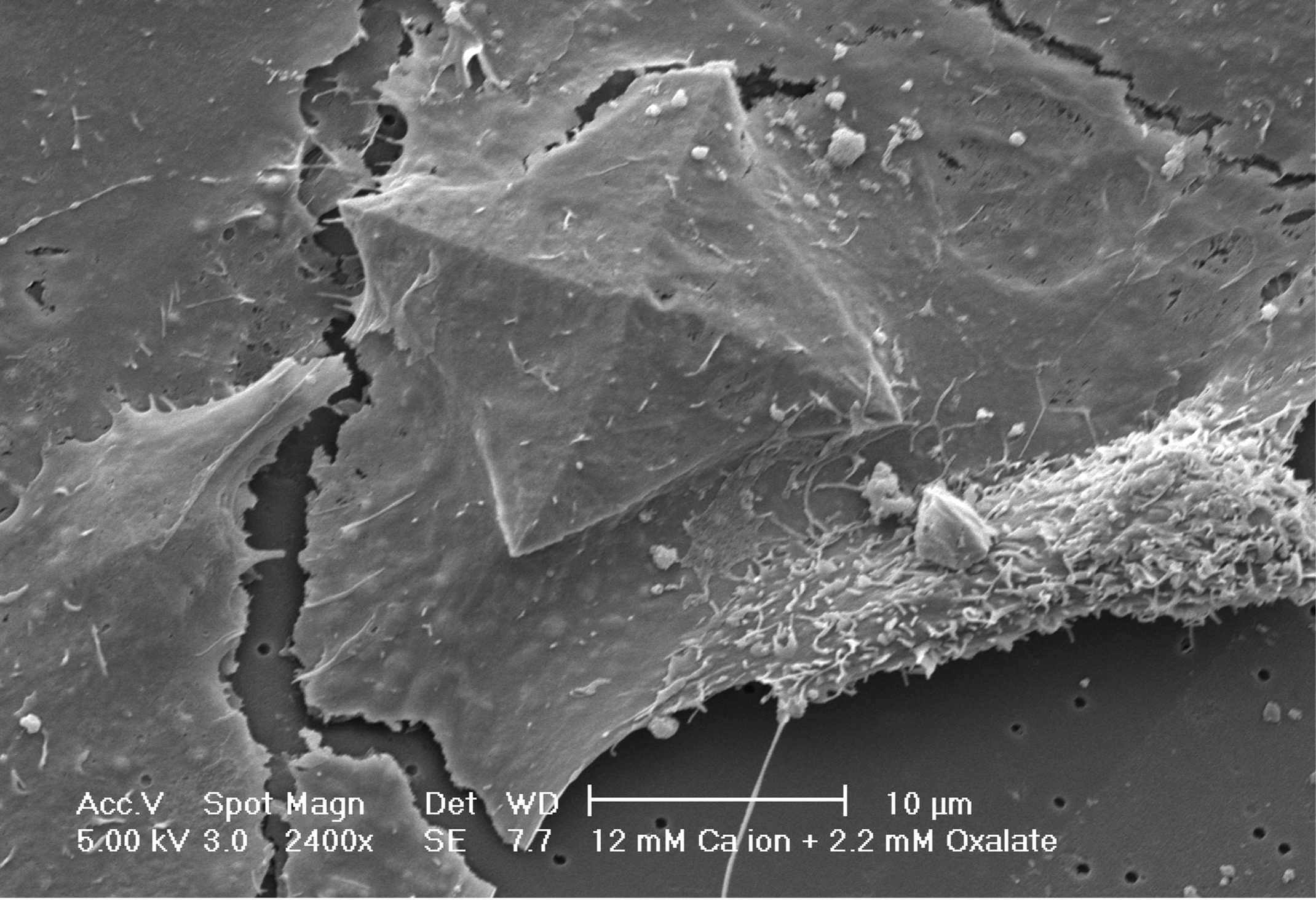
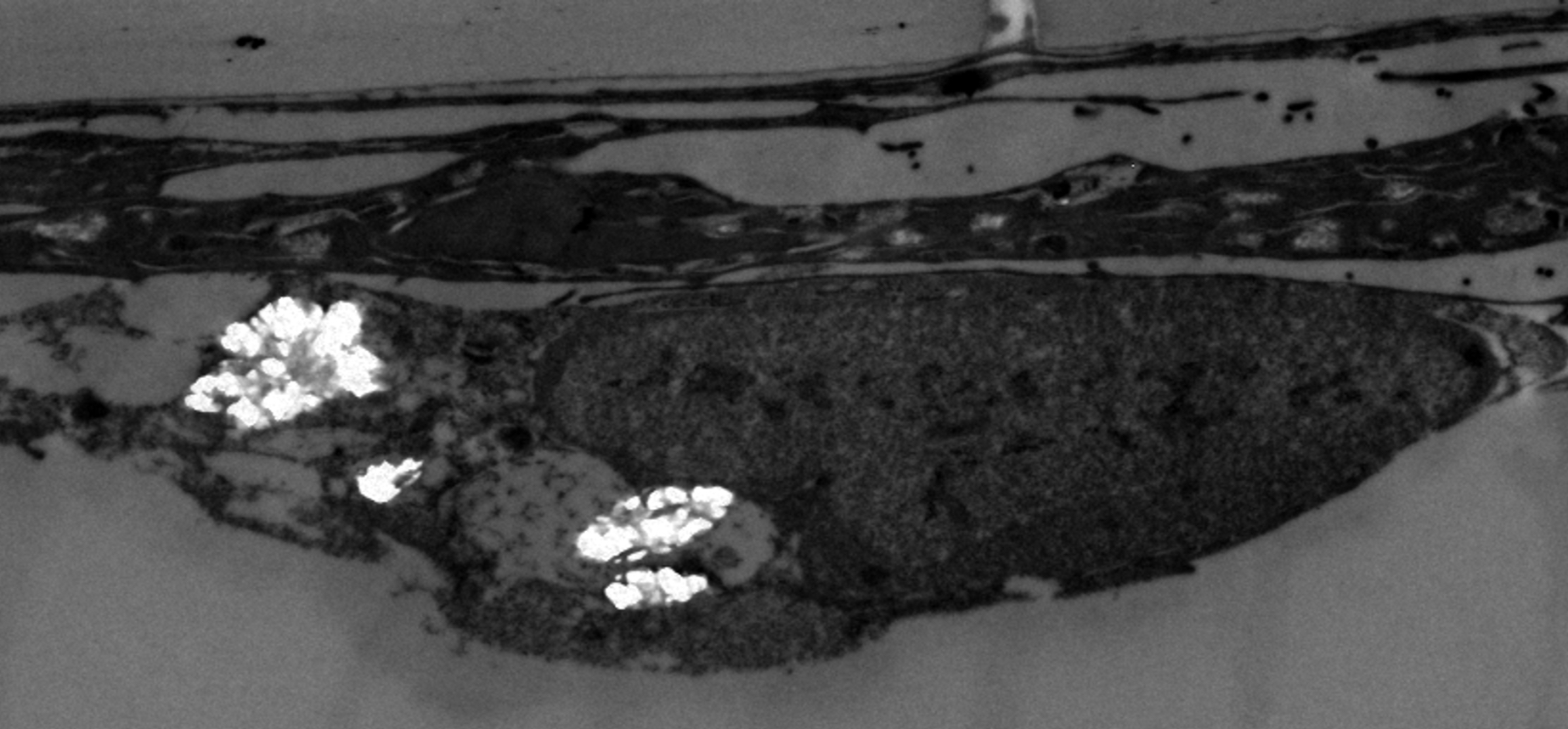
The Intervention: Architected end-to-end translational research program spanning from cellular pathology modelling of tissue inflammation to prospective randomized controlled clinical trials. The study evaluated voltage-escalation protocols and sensitive urinary biomarker tracking to minimize localized tissue damage.
-
Core Methodological Niche: Randomized human intervention & urinary biomarkers.
-
The Outcome: Successfully optimized clinical operational parameters to protect patient tissue integrity. This milestone produced multi-year prospective tracking datasets published inside leading urological surgery and endourology journals.
Target sectors:







Institutional Funding & Collaborative Frameworks:
-
Clinical Trial Leadership — Prof. Chi-Fai Ng | Urology, Chinese University of Hong Kong (Principal Investigator & Long-term clinical trial research partners).
-
Competitive Clinical Innovation Grants — Funded via national-tier public healthcare research allocation structures.
-
Interdisciplinary collaborative efforts — SPECTRA directed and supported the advanced tissue-culture modelling architectures and urinary biomarker assay tracking pathways.
-
Commercial (Medical Devices & Clinical Research Operations) | Core Domains: Urology, Clinical Trials, Human Interventions)
-
Organizational (Institutional Healthcare Providers) | Core Domains: Public Health, Quality Governance, Protocol Design, Clinical & Patient Education)
Translational Urology & Clinical Lithotripsy Optimization